

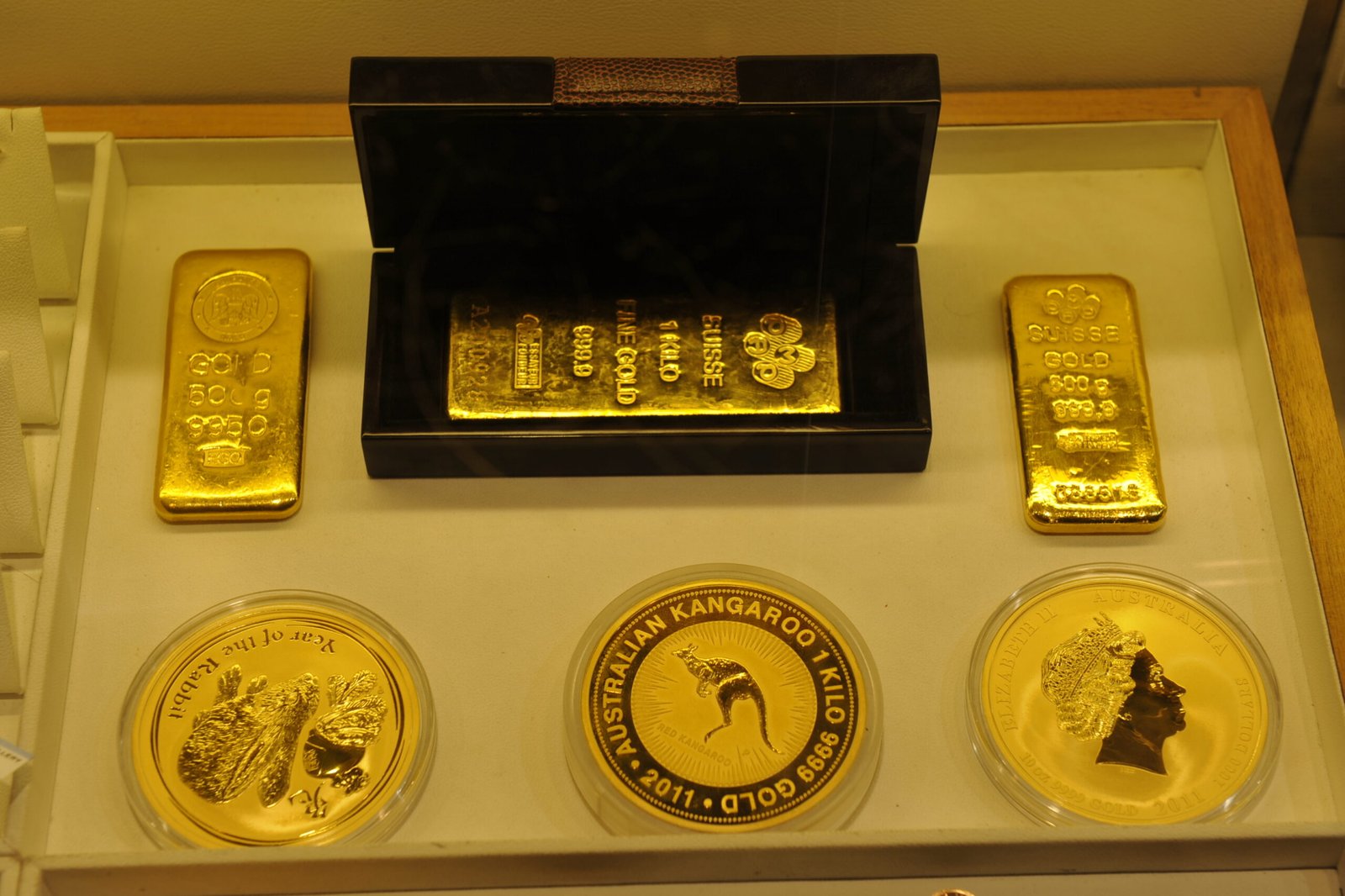
Bullion pricing reflects a combination of global financial forces that interact continuously across markets. Investors track these movements to understand long-term value direction and short-term volatility patterns. Price changes rarely occur from a single cause, as multiple economic and geopolitical signals influence demand and supply simultaneously. Precious metals such as gold and silver often respond strongly to financial uncertainty, inflation trends, and currency fluctuations. A Bullion Dealer closely monitors these market conditions to provide accurate pricing and facilitate transactions between buyers and sellers. A structured understanding of these elements helps explain why bullion maintains its importance across different economic cycles and investor strategies.
Global Economic Conditions
Global economic performance plays a major role in shaping bullion prices as market confidence shifts with growth or slowdown phases. Strong economic expansion often redirects investor interest toward equities and higher-yield assets, reducing demand for precious metals. Slower growth or financial instability increases attention on bullion as a stable value store. Indicators such as employment levels, GDP performance, and consumer spending patterns provide insight into market direction. Over time, bullion reflects broader economic sentiment and acts as a financial balance during uncertain cycles.
Inflation and Currency Value
Inflation directly influences bullion demand as rising prices reduce purchasing power across economies. Investors often turn toward gold and silver during inflationary conditions to protect long-term value. Currency depreciation strengthens this demand further since bullion retains intrinsic worth independent of fiat systems. Central banks monitor inflation closely and adjust monetary policies to stabilize economies. Persistent inflation trends generally support upward pressure on bullion prices, reinforcing precious metals as a reliable store of wealth during periods of declining currency strength.
Central Bank Policies
Central bank decisions significantly impact bullion markets through interest rate adjustments and liquidity management strategies. Lower interest rates reduce returns on fixed-income assets, increasing the appeal of non-yielding metals like gold. Higher interest rates often reduce bullion demand as alternative investments become more attractive. Quantitative easing policies also increase liquidity in financial systems, supporting demand for safe-haven assets. Central bank gold reserves further influence market sentiment, as buying or selling activity signals long-term confidence in the stability of precious metals.
Supply and Demand Dynamics
Supply and demand balance remains a core determinant of bullion pricing across global markets. Rising demand from investors, jewelry production, and industrial applications often drives prices higher when supply remains limited. Mining output plays a key role in overall availability, along with recycling rates of existing metals. Supply constraints due to production challenges or rising extraction costs can tighten market availability. Shifts in demand patterns across different sectors continuously reshape pricing behavior, making this factor essential for long-term market analysis.
Geopolitical Events
Geopolitical instability frequently triggers increased demand for bullion as investors seek financial safety during uncertain periods. Conflicts, trade disputes, and international sanctions often create market volatility, pushing investors toward gold and silver. Precious metals are widely viewed as safe-haven assets during global crises. These events typically lead to short-term price surges as uncertainty increases. Over time, repeated geopolitical disruptions reinforce bullion’s role as a protective asset, maintaining its relevance across shifting global political and economic landscapes.
Market Speculation and Investment Trends
Market speculation contributes significantly to short-term bullion price movements as traders react to economic data and global news. Rapid shifts in investor sentiment often create volatility across gold and silver markets. Institutional investors adjust portfolio allocations based on risk exposure and expected returns, influencing large-scale price movements. Hedge funds and algorithmic trading systems amplify these fluctuations through high-frequency strategies. Retail investor behavior also impacts demand during uncertain financial periods, making sentiment-driven trading a major component of bullion price activity.
Industrial Demand for Precious Metals
Industrial demand plays a growing role in shaping bullion pricing, especially for silver, platinum, and palladium. These metals are widely used in electronics, renewable energy systems, automotive technologies, and medical applications. Expanding industrial sectors increase long-term consumption, supporting steady demand levels. Technological advancements continue to create new applications for precious metals, strengthening their market importance. Industrial usage provides a stable foundation for pricing, reducing reliance solely on investment demand and contributing to long-term market resilience.
Mining Production and Costs
Mining production levels and operational costs directly affect bullion supply and long-term pricing trends. Rising energy costs, labor expenses, and environmental regulations increase production challenges for mining companies. Limited access to high-grade ore further restricts output in several regions. Reduced mining activity tightens supply, often contributing to higher prices. Technological improvements and exploration projects help offset some limitations, but structural constraints continue to influence global availability. These production factors remain critical in understanding long-term bullion market direction.
Role of USD Strength
US dollar strength significantly impacts bullion pricing since precious metals are globally priced in dollars. A stronger dollar increases the cost of bullion for international buyers, reducing demand across global markets. A weaker dollar improves affordability, often supporting higher bullion prices. Currency movements interact closely with inflation and interest rate policies, creating additional layers of influence. Over extended periods, fluctuations in the US dollar remain one of the most consistent drivers of global bullion market trends.
Long-term Price Cycles
Long-term bullion price cycles reflect broader economic phases, including expansion, recession, and recovery periods. Investor behavior shifts across these cycles, influencing demand for gold and silver as safe-haven assets. Bullion typically performs well during financial uncertainty and weaker during strong economic growth phases. Historical data shows repeated cycles shaped by inflation trends, monetary policy, and geopolitical developments. Understanding these cycles provides clearer insight into long-term market positioning and helps interpret price movements across extended time horizons.
Conclusion
Bullion pricing results from a combination of economic conditions, inflation trends, central bank policies, and global supply-demand forces. Additional influences such as geopolitical instability, industrial demand, currency strength, and mining output further shape market behavior. Short-term volatility often reflects investor sentiment and speculative activity, while long-term movements align with broader economic cycles. A clear understanding of these factors helps explain why bullion remains a key asset class for investors seeking stability and long-term value preservation across changing financial environments.
