

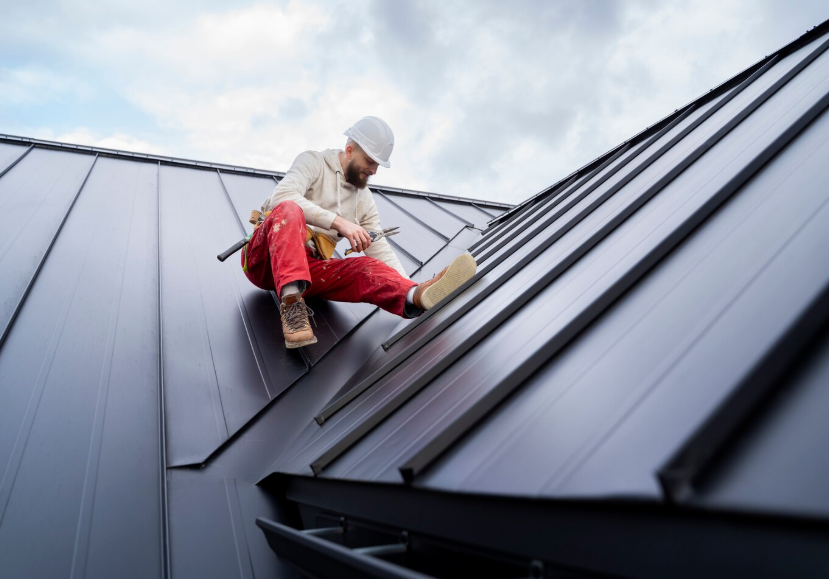
A lot of older steel roofs looked strong from the ground. Thick panels. Heavy framing. Everything seemed solid enough. But over time those systems started leaking, warping, or pulling apart around seams much earlier than building owners expected.
The issue usually wasn’t the steel itself. It was movement.
Commercial roofs expand and contract constantly every single day. Heat from direct sunlight stretches metal surfaces during the afternoon, then cooler nighttime temperatures pull everything back tighter again. Thousands of expansion cycles happen every year across large commercial buildings.
Older roofing systems struggled with that movement. Fasteners loosened. Seams separated. Panels shifted around stress points near roof penetrations and edges. Eventually water found its way inside.
That’s one reason standing seam metal roof installation became so common across industrial and commercial construction. Standing seam systems allow controlled panel movement without exposing fasteners directly to weather conditions. The roof basically flexes naturally instead of fighting against thermal expansion every season.
And honestly, buildings today face harsher weather than many older roofs were ever designed for originally. Stronger storms. More heat. Bigger temperature swings. Roofing systems need flexibility now almost as much as strength.
Hidden Fasteners Changed Commercial Roofing Performance Completely
Exposed fasteners create problems eventually. Doesn’t matter how good the original installation looked.
Over years of weather exposure, screws loosen slightly from vibration and temperature movement. Rubber washers deteriorate from UV exposure. Tiny openings form around penetrations and eventually moisture enters underneath roofing panels.
That’s where standing seam metal roof installation systems perform differently than traditional exposed-fastener roofs. Hidden clips secure the panels underneath while raised seams lock everything together above the weather line.
Water has fewer opportunities to reach fastening points directly.
And honestly, maintenance becomes much easier long-term because the roof system handles expansion stress more naturally. Panels move independently without pulling against exposed screws constantly every day.
Commercial owners usually notice fewer recurring leak problems around seams and penetrations afterward too. Especially during heavy storms and seasonal temperature swings.
Still, roofing systems don’t work alone. Proper insulation for metal building systems matters heavily underneath modern standing seam roofs because thermal control affects how the entire roof assembly performs over time.
Without good insulation, even durable roofing materials deal with more stress from interior condensation and extreme heat transfer underneath.
Everything inside commercial roofing systems connects together eventually.
Poor Insulation Makes Even Good Roofing Systems Struggle
A high-quality roof alone won’t fully solve building performance problems if insulation underneath remains weak.
That surprises some property owners honestly. They invest heavily into roofing upgrades expecting massive energy improvements immediately, but older insulation systems underneath keep leaking conditioned air constantly afterward.
Steel buildings especially struggle with this because metal transfers temperature aggressively. During summer the roof absorbs intense heat all day. During winter interior warmth escapes quickly through weak thermal barriers.
That’s why insulation for metal building systems became such a major focus during modern roofing projects. Contractors understand roofing and insulation basically function as one connected system now.
Without proper insulation, interior condensation forms easier underneath steel roofing assemblies too. Moisture gets trapped around framing and insulation cavities. Corrosion spreads slowly. Energy bills rise. Indoor temperatures fluctuate constantly.
And honestly, some older insulation systems barely function anymore after decades of compression and humidity exposure. Fiberglass settles. Vapor barriers fail. Gaps appear around framing connections.
Buildings become uncomfortable long before owners fully realize the insulation already stopped performing correctly years earlier.
Modern roofing systems work best when paired with upgraded thermal protection underneath from the beginning.
Moisture Control Matters More Than Most Owners Realize
Commercial roofing failures almost always involve moisture somewhere. Maybe hidden at first. But eventually moisture becomes the real issue underneath everything else.
Small leaks around seams or flashing details allow water into roofing assemblies where it spreads quietly through insulation and structural framing. Condensation problems create similar damage even without major active leaks.
That’s another reason standing seam metal roof installation systems gained popularity over older roof designs. Raised seams and concealed fasteners reduce water entry points dramatically when installed correctly.
But honestly, moisture problems still happen if ventilation and insulation systems underneath don’t control temperature differences properly.
Warm humid air trapped inside commercial buildings condenses quickly against cooler steel surfaces. Roof systems start sweating internally. Insulation absorbs moisture. Thermal performance collapses afterward.
And once insulation for metal building systems gets wet, energy efficiency drops fast. HVAC systems work harder while indoor comfort keeps getting worse anyway.
Good roofing systems help manage outside moisture. Good insulation and ventilation manage interior moisture. Both matter equally if owners want long-term building performance.
Ignoring one eventually damages the other too.
Installation Quality Decides Whether Roof Systems Actually Last
The roofing material itself only matters so much honestly. Installation quality determines whether commercial roofs actually perform long-term.
Cheap labor ruins good roofing systems constantly.
Poorly aligned panels create stress points. Weak seam connections fail during storms. Improper clip spacing restricts panel movement. Flashing details get rushed around penetrations and edges. Everything may look fine initially until weather and temperature cycles start testing the roof later.
That’s why experienced standing seam metal roof installation crews spend so much time on layout, fastening methods, and seam alignment before large sections even get installed.
Commercial roofs behave differently under real-world stress than they do during construction.
And honestly, roofing shortcuts usually reveal themselves slowly over time. First small leaks appear around penetrations. Then fasteners loosen. Moisture reaches insulation systems underneath. Eventually building owners face much larger repair costs than proper installation would’ve required upfront.
Same thing applies to insulation for metal building systems too. Gaps, compression, weak vapor barriers, and rushed installation work create ongoing energy and moisture problems afterward no matter how expensive the insulation material originally was.
Commercial roofing systems only perform correctly when every layer works together properly from the start.
Older Buildings Need Better Thermal Protection Than Ever Before
A lot of older commercial steel buildings weren’t designed around modern energy expectations. Utility costs were lower decades ago. HVAC demands weren’t as extreme either.
Today those same buildings struggle heavily during peak summer and winter conditions. Indoor temperatures swing wildly. Cooling costs explode. Condensation problems increase around roofing systems and wall assemblies.
That’s why insulation for metal building upgrades became such an important part of commercial restoration work recently.
Better insulation stabilizes indoor conditions while reducing stress on roofing assemblies above. Less heat transfer means less thermal movement underneath steel roof systems. Moisture control improves too.
Standing seam roofing systems help there because they already handle expansion movement better than traditional exposed-fastener roofs. Combined with stronger insulation underneath, the entire building envelope performs more consistently.
And honestly, workers notice the difference immediately after upgrades happen. Buildings feel quieter during storms. Temperatures stay more stable. HVAC systems stop running nonstop every afternoon.
A properly insulated commercial building simply functions differently overall compared to older poorly protected structures constantly fighting outside weather conditions.
Preventive Maintenance Keeps Roofing Systems Performing Longer
No commercial roof stays maintenance-free forever. Doesn’t matter how durable the materials are.
Drainage systems still need cleaning. Flashing details need inspections. Sealants eventually age. Storm damage happens. Debris collects around rooftop equipment constantly.
But modern standing seam metal roof installation systems generally require far less recurring maintenance compared to older exposed-fastener roofs because fewer weather-exposed penetrations exist across the surface.
That reduces leak risks significantly long-term.
Still, inspections matter heavily. Small problems stay manageable when caught early. Ignored too long, they spread into insulation damage, corrosion, and structural deterioration underneath the roof assembly.
And honestly, building owners who stay proactive with roofing maintenance usually avoid the massive emergency repair costs that happen after neglected leaks continue spreading for years unnoticed.
Insulation systems need attention too. Wet or compressed insulation should get replaced before thermal performance collapses across larger roof areas afterward.
Commercial roofs last longest when owners treat maintenance like protection instead of reacting only after active failures start affecting operations indoors.
Long-Term Commercial Roofing Performance Depends On Complete System Design
The best commercial roofing systems today aren’t just stronger. They’re smarter overall.
Modern roofs control movement better. Manage moisture more effectively. Improve energy performance. Protect insulation systems underneath. Reduce maintenance demands long-term.
That’s why standing seam metal roof installation became such a dominant option across industrial and commercial construction. The systems simply adapt better to modern weather stress and operational demands compared to many older roof designs.
But honestly, roofing alone isn’t enough anymore either.
Insulation for metal building systems directly affects how roofs perform year after year underneath changing temperatures and moisture conditions. Weak insulation strains the entire roofing assembly over time.
Everything inside the building envelope connects together eventually. Roofing, insulation, ventilation, drainage, structural framing — all of it influences long-term building durability.
Commercial buildings performing best today usually aren’t necessarily the newest ones. They’re the facilities where owners upgraded entire roofing systems intelligently instead of patching isolated problems repeatedly every few years.
Conclusion
Commercial steel roofing systems face constant stress from thermal movement, weather exposure, moisture intrusion, and changing environmental conditions that gradually weaken older roof designs over time. Traditional exposed-fastener systems often struggle with expansion movement and long-term leak prevention under modern commercial demands.
That’s why standing seam metal roof installation systems became such a reliable solution for improving durability, weather resistance, and long-term commercial roofing performance.
At the same time, quality insulation for metal building systems remains critical for controlling condensation, reducing energy loss, stabilizing indoor temperatures, and protecting roofing assemblies from moisture-related deterioration underneath.
Because honestly, the strongest commercial roofs today work as complete building systems instead of isolated roofing materials alone.
FAQs
Why do standing seam roofs last longer than older steel roofs?
Standing seam systems use concealed fasteners and flexible panel movement, reducing leaks, thermal stress, and weather-related deterioration.
What are the benefits of standing seam roofing systems?
They improve weather resistance, reduce maintenance needs, handle expansion movement better, and extend overall roof lifespan.
Why is insulation important beneath steel roofing systems?
Proper insulation controls heat transfer, reduces condensation, improves energy efficiency, and protects roofing assemblies from moisture damage.
Can poor insulation damage commercial roofing systems?
Yes. Weak insulation increases condensation, temperature stress, and moisture buildup underneath roofing assemblies over time.
How long can standing seam roofing systems last?
With proper installation and maintenance, many standing seam commercial roofs can last 40 to 70 years or longer.
