Digital marketing has always moved fast, but the last two years have changed it more than the decade before. Artificial intelligence now writes ad copy, predicts which customers are about to buy, and adjusts campaign budgets while marketers sleep. For small and mid-sized businesses, this shift is both an opportunity and a challenge.
The opportunity is clear: tasks that once needed a full agency team can now be handled with a few smart tools. The challenge is knowing where AI genuinely helps and where human judgment still matters. This guide breaks down the biggest changes and how to use them well.
Smarter Audience Targeting
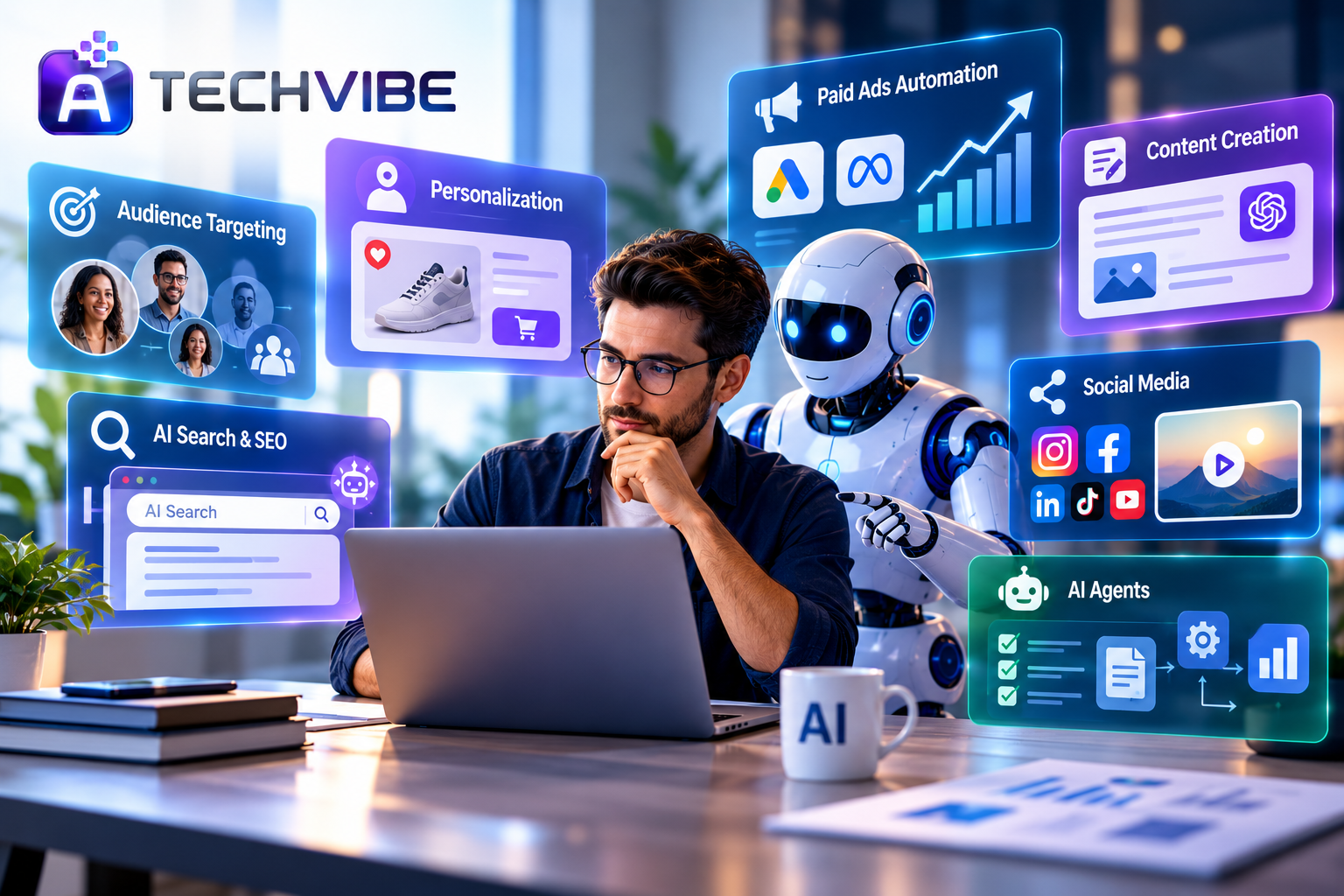
The days of choosing an age range and a few interests and hoping for the best are fading. Advertising platforms now use machine learning to study thousands of signals, such as browsing behaviour, past purchases and time of day, to decide who sees your ad.
This means your job shifts from picking audiences manually to feeding the system good data. Clear conversion tracking, accurate product information and well-defined goals help the algorithm learn faster. We cover this in depth in how AI is improving campaign targeting and conversion tracking.
Personalised Customer Experiences at Scale
Customers now expect brands to remember them. They want product suggestions that match their taste, emails that arrive at the right moment and support that knows their history.
AI makes this possible even for small teams. Recommendation engines, behaviour-based email flows and smart website content can adjust to each visitor automatically. Our article on how machine learning is changing customer experiences explains how these systems work behind the scenes. Customer service has changed too: many brands now use chatbots to answer common questions instantly, freeing staff for more complex conversations.
SEO in the Age of AI Search
Search engines are using AI to understand intent, not just keywords. They reward pages that answer real questions clearly and show genuine expertise. Thin articles stuffed with keywords are losing ground quickly.
For businesses, this makes quality and structure more important than ever. Write for people first, use clear headings, keep pages fast and build a site that covers one subject area in depth. Our guide to SEO strategies for long-term business growth covers the foundations, while online sellers should read how ecommerce SEO services help online stores grow.
Paid Search Is Becoming More Automated
Google Ads and similar platforms now handle much of the bidding, ad testing and placement automatically. Automated campaigns can mix and match headlines and images to find the best combination for each searcher.
Automation does not mean "set and forget," though. Poorly set goals can burn through a budget quickly. Someone still needs to choose the right conversions, exclude irrelevant searches and review results weekly. If you are new to paid search, start with our complete guide to search engine marketing. Larger advertisers may benefit from working with experienced Google Ads specialists who know how to guide the algorithm.
Content Creation With AI Assistance
AI writing tools can now produce drafts, social captions and product descriptions in seconds. Used well, they remove the blank-page problem and speed up routine tasks.
Used badly, they flood the internet with generic text that readers ignore and search engines filter out. The best approach is to treat AI as an assistant, not an author. Let it suggest outlines or first drafts, then add your own experience, examples and opinions. As we explain in what makes engaging content the core of every successful brand, audiences connect with a real voice, and no tool can fake that for long.
Social Media Gets Predictive
Social platforms use AI to decide which posts reach which users. Short videos, authentic behind-the-scenes content and posts that spark conversation tend to perform best.
AI tools can also help you plan by predicting the best times to post, suggesting trending topics and summarising comments to reveal what your audience really thinks. When choosing outside help, look for partners who understand both creativity and data. Our list of traits of a great social media marketing agency is a useful checklist.
AI Agents Handle Repetitive Marketing Work
The newest development is AI agents: software that can complete multi-step tasks on its own. A marketing agent might pull weekly campaign data, write a summary report, flag underperforming ads and draft new variations, all without manual input.
These tools are still maturing, so human review remains essential. Still, they can save small teams hours every week. Learn more in how AI agents are changing the way businesses work.
What Should Marketers Do Now?
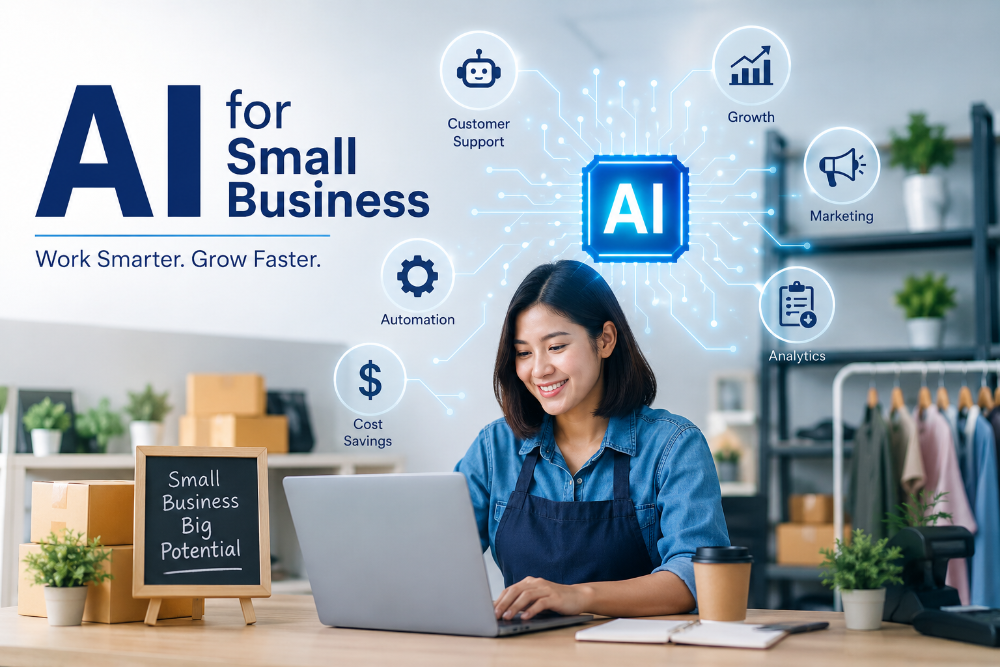
Start small. Pick one area where AI can save time, such as reporting, email personalisation or ad testing, and measure the results for a month before expanding. Keep your data clean, because AI is only as good as the information it learns from. And protect your brand voice by keeping humans in charge of final messaging.
If you are planning a wider rollout, our AI adoption roadmap for small businesses offers a step-by-step plan that avoids costly mistakes.
Final Thoughts
AI is not replacing marketers. It is replacing repetitive tasks, so marketers can focus on strategy, creativity and relationships. The businesses that win in 2026 will be the ones that combine smart automation with a genuine understanding of their customers.