Key Takeaways
- Noise cancelling earbuds use a technology called active noise cancellation, often shortened to ANC.
- Aeroplane engines, air conditioners, train rumble, bus engines and office ventilation are exactly the types of noise it reduces most effectively.
- Very cheap models may reduce noise only slightly or add a faint background hiss.
- A better fit often improves bass, clarity and noise reduction all at once, making it one of the simplest upgrades you can make.
- Most modern noise cancelling earbuds include a transparency or ambient mode.
Traffic outside the window, a loud office, a crying baby on a flight or the constant hum of a train can make it hard to focus, relax or even enjoy music. That is exactly the problem noise cancelling earbuds promise to solve. With a tap, the world around you fades and your music, podcast or call becomes clear.
But noise cancelling earbuds usually cost more than regular ones, and not everyone needs them. This guide explains how the technology works, where it truly helps, where it falls short and what to check before you buy, so you can decide whether they are worth the money for you.
How Noise Cancellation Actually Works
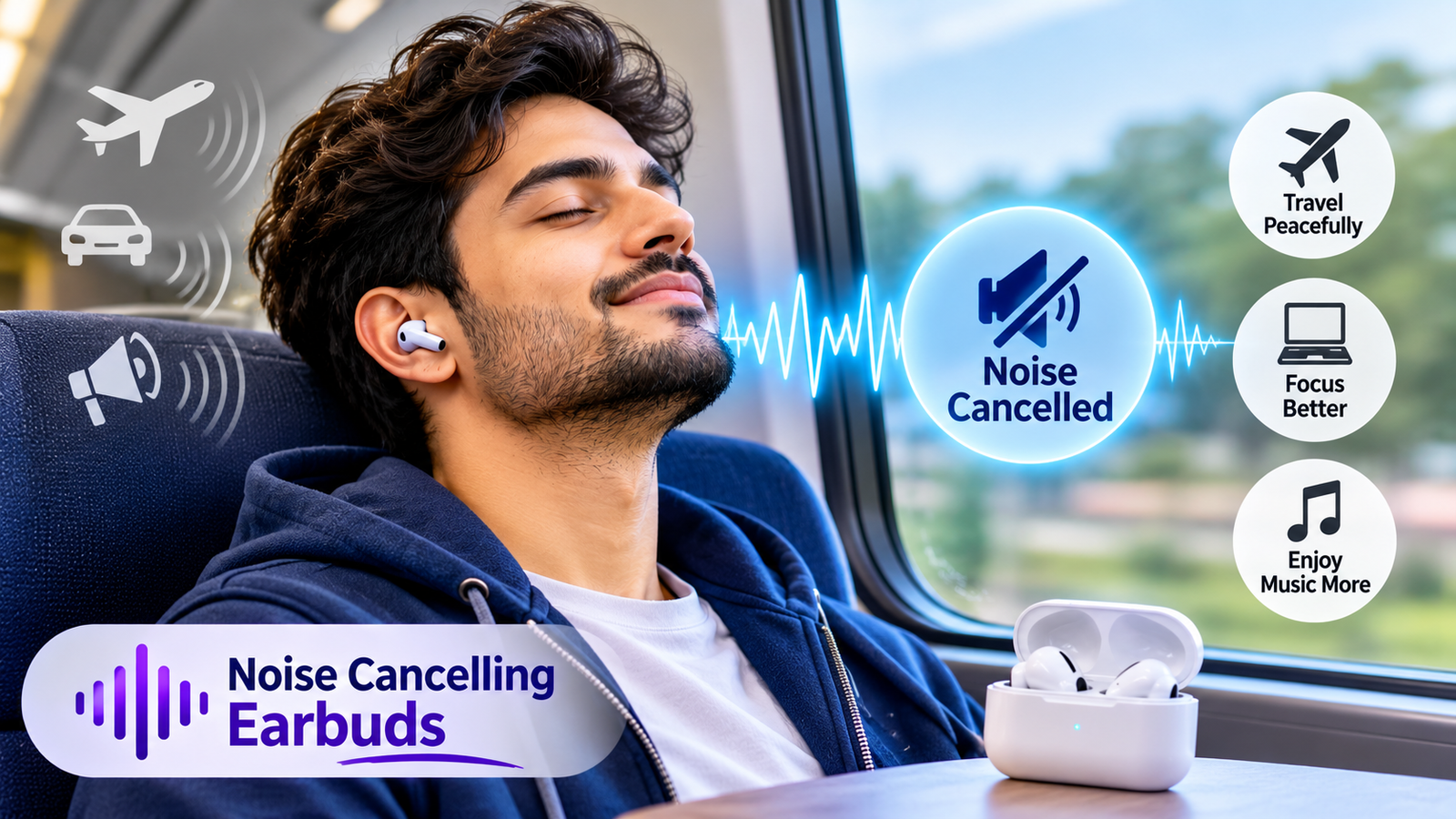
Noise cancelling earbuds use a technology called active noise cancellation, often shortened to ANC. Tiny microphones on each earbud listen to the sound around you. A small chip then creates an opposite sound wave that cancels out that noise before it reaches your ears.
There is also passive noise isolation, which simply blocks sound physically through a good seal in your ear canal, much like earplugs. The best noise cancelling earbuds combine both. A snug fit blocks higher-pitched sounds, while ANC handles deeper, constant noises that are harder to block physically.
Where Noise Cancelling Earbuds Shine
Active noise cancellation works best on steady, low-frequency sounds. Aeroplane engines, air conditioners, train rumble, bus engines and office ventilation are exactly the types of noise it reduces most effectively. On a long flight or a daily commute, the difference can be remarkable, and many people find they arrive less tired.
They are also excellent for focus. In open offices, cafés or a busy home, cutting background noise makes it easier to concentrate on work or study. As more people work in shared and hybrid spaces, a topic we explore in how technology is transforming modern workplaces, quiet on demand has become surprisingly valuable.
Where They Fall Short
Noise cancellation is not magic. Sudden or irregular sounds, such as people talking nearby, a dog barking or a door slamming, are much harder to cancel. You will usually still hear voices, although more softly. Very cheap models may reduce noise only slightly or add a faint background hiss.
Some people also notice a slight feeling of pressure in their ears when ANC is turned on, similar to being on a plane. For most users, this fades with time, but a few find it uncomfortable. If possible, try a pair in a store or buy from a retailer with an easy return policy.
Why Fit Matters More Than You Think
A proper seal is essential for both sound quality and noise cancellation. If the ear tips are too small, sound leaks out and noise leaks in. If they are too large, the earbuds feel uncomfortable and may fall out. Most noise cancelling earbuds come with several sizes of silicone tips, and some include foam tips that seal even better.
Take a few minutes to test each size when you first set them up. Many companion apps include a fit test that plays a sound and checks whether the seal is good. A better fit often improves bass, clarity and noise reduction all at once, making it one of the simplest upgrades you can make.
Transparency Mode Is Just as Important
Most modern noise cancelling earbuds include a transparency or ambient mode. Instead of blocking sound, it uses the microphones to let outside noise in, so you can hear announcements, traffic or someone speaking to you without removing your earbuds.
This feature is important for safety and convenience. When walking near roads, cycling or moving through busy stations, staying aware of your surroundings matters. Good transparency modes sound natural rather than artificial, so it is worth reading reviews that specifically test this feature.
Sound Quality and Call Clarity
Noise cancelling earbuds often sound better in noisy places simply because you do not need to raise the volume to hear clearly. Sound quality still varies widely between models, so look at reviews that describe clarity, bass balance and detail rather than relying on marketing claims.
Call quality is another key factor, especially if you take meetings on the go. The best earbuds use multiple microphones and noise reduction to keep your voice clear even in windy or busy environments. If you spend a lot of time on video calls from a laptop, our guide to finding quality laptops also covers microphones and webcams that make calls sound professional.
Battery Life and Charging
Active noise cancellation uses extra power, so battery life is usually shorter with ANC switched on. Most good earbuds last several hours per charge, with the charging case providing extra charges throughout the day. Check battery figures both with ANC on and off, as manufacturers often highlight the longer number.
Look for quick charging, which gives an hour or more of listening from a short charge, and wireless charging if you already use a charging pad. A case with a USB-C port makes it easy to share chargers with your phone and other devices.
Compatibility With Your Phone
Earbuds often work best with phones from the same brand. Some features, such as automatic switching between devices, spatial audio or higher-quality wireless codecs, may only be available within a particular ecosystem. If you use an iPhone, earbuds designed for Apple devices usually offer the smoothest experience, while Android users may get extra features from earbuds made by their phone’s manufacturer.
Multipoint connection is another useful feature, allowing earbuds to stay connected to your phone and laptop at the same time. Phones themselves are becoming smarter in how they manage audio and connected accessories, as we explain in how AI smartphones are changing everyday mobile use.
Durability and Water Resistance
If you plan to use your earbuds for workouts, running or outdoor commutes, check the water and sweat resistance rating. An IPX4 rating or higher generally means they can handle sweat and light rain. Higher ratings provide more protection against water exposure.
Also consider the case design. A compact, sturdy case that fits easily in a pocket is more practical than a bulky one, and good hinges and magnets help prevent accidental drops.
Protecting Your Hearing
One hidden benefit of noise cancelling earbuds is that they can help protect your hearing. In noisy places, people often turn volume up to drown out background sound. With noise cancellation, you can listen comfortably at lower levels.
Even so, it is wise to keep volume moderate and take regular breaks during long listening sessions. Many phones include hearing health features that track listening levels and warn you when volume has been high for too long, and it is worth turning these on.
So, Are They Worth It?
Noise cancelling earbuds are worth it if you travel often, commute by train, bus or plane, work in noisy environments, or simply want a calm space to focus or relax. For these users, the difference in comfort and concentration can justify the higher price.
If you mostly listen at home in a quiet room, or only use earbuds for short workouts, a good pair of regular wireless earbuds may be enough. In that case, you might prefer to spend the savings on other gear, such as the connected devices in our guide to choosing the best smart home gadgets.
Final Thoughts
Noise cancelling earbuds have moved from luxury gadget to everyday tool for millions of people. They make journeys quieter, workdays more focused and music more enjoyable in noisy places. The key is choosing a pair that fits well, offers a natural transparency mode, works smoothly with your phone and delivers the battery life you need.
Take your time, read independent reviews and try them on if you can. The right pair can quietly improve your day, every day. For more honest gadget guides, explore the latest articles on AtechVibe.