Key Takeaways
- A thoughtful post from a small business owner can reach thousands of relevant professionals if it sparks discussion.
- Your personal profile is often your most powerful marketing asset.
- When team members share company updates, the page gains visibility.
- Before you start posting, define your ideal audience clearly.
- The most effective LinkedIn content shares practical knowledge and real experience.
When small business owners think about social media, they usually picture Instagram, Facebook or YouTube. LinkedIn often gets ignored, seen as a place for job hunting and corporate announcements. That is a missed opportunity. LinkedIn is where decision-makers, founders, managers and professionals spend time thinking about work, which makes it one of the best platforms for businesses that sell services or products to other companies.
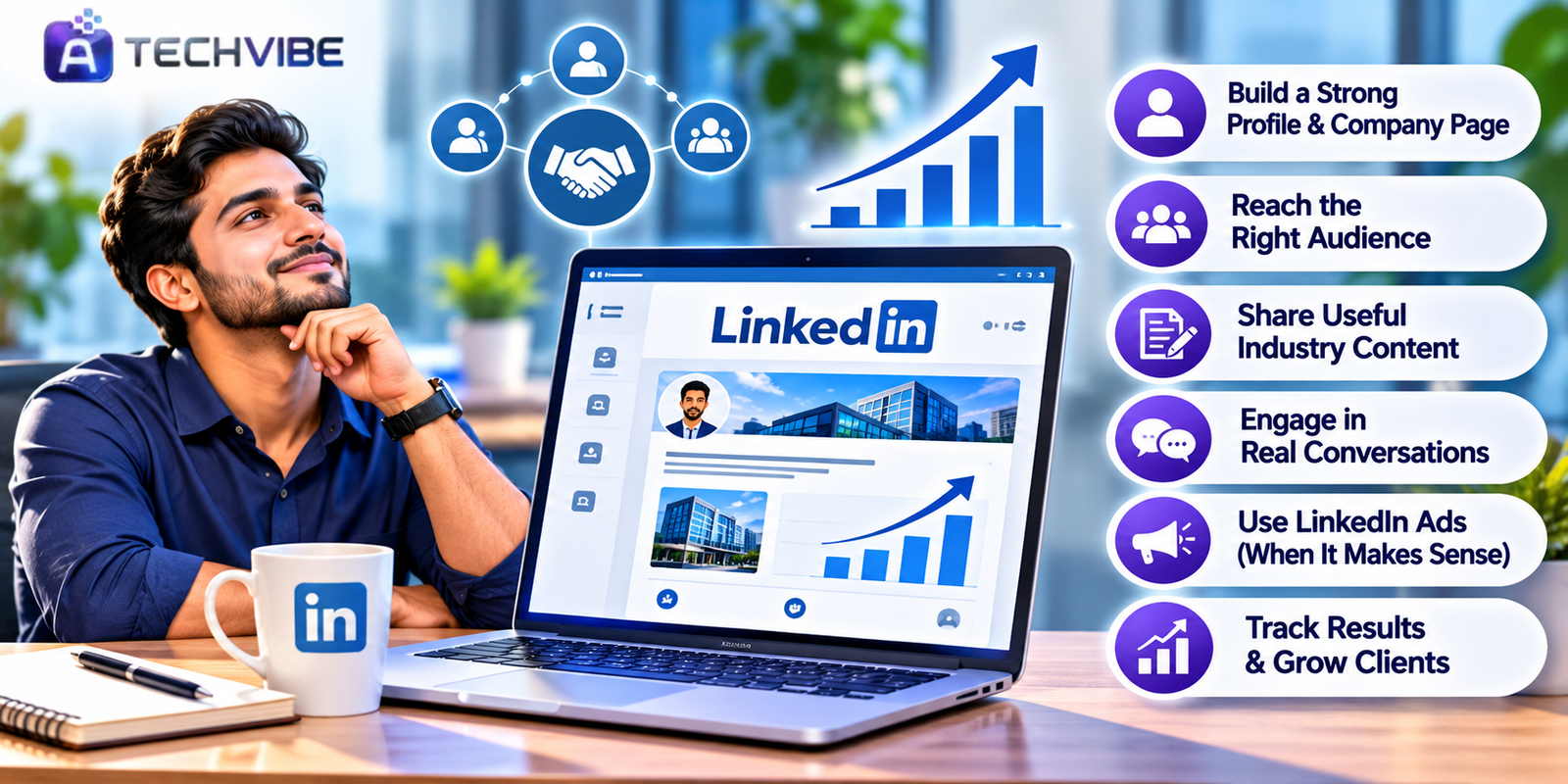
LinkedIn marketing for small business does not require a big budget or a large team. It rewards consistency, genuine expertise and real conversations. This guide explains how to set up a strong presence, what to post, how to grow your audience and when paid advertising makes sense.
Why LinkedIn Works for Small Businesses
LinkedIn is built around professional identity. People list their job titles, companies, industries and skills, and they visit the platform with a work mindset. That makes it easier to reach the exact people who can buy from you, partner with you or recommend you.
Unlike platforms driven mainly by entertainment, LinkedIn rewards useful insight. A thoughtful post from a small business owner can reach thousands of relevant professionals if it sparks discussion. For consultants, agencies, software companies, manufacturers, recruiters and professional service firms, this kind of visibility can directly lead to enquiries and sales.
Start With Your Personal Profile
Many small businesses focus only on their company page, but on LinkedIn, people connect with people. In most cases, posts from founders and employees reach far more users than posts from a company page. Your personal profile is often your most powerful marketing asset.
Make sure your profile has a clear, professional photo and a headline that explains how you help others, not just your job title. Use the About section to describe the problems you solve, the type of clients you work with and what makes your approach different. Add relevant experience, featured posts and a simple way for people to contact you. A complete, focused profile builds trust before anyone sends a message.
Build a Strong Company Page
Your company page still matters. It acts as a professional home for your brand, gives credibility when people look you up and allows you to run ads and share updates. Add your logo, a clean banner image, a clear description, your website link and the industries you serve.
Encourage your team to list the company correctly on their own profiles so they appear as employees. When team members share company updates, the page gains visibility. Over time, a well-maintained page becomes a useful reference point for clients, partners and future hires.
Know Exactly Who You Want to Reach
Before you start posting, define your ideal audience clearly. Think about their job roles, industries, company sizes and the problems they face. A post written for everyone usually connects with no one, while a post written for a specific group feels relevant and useful.
Once you know your audience, connect with them thoughtfully. Send connection requests to people in your target industries, but personalise your message when possible and avoid pitching immediately. Your goal is to build a network of relevant professionals who will see and engage with your content over time.
What to Post on LinkedIn
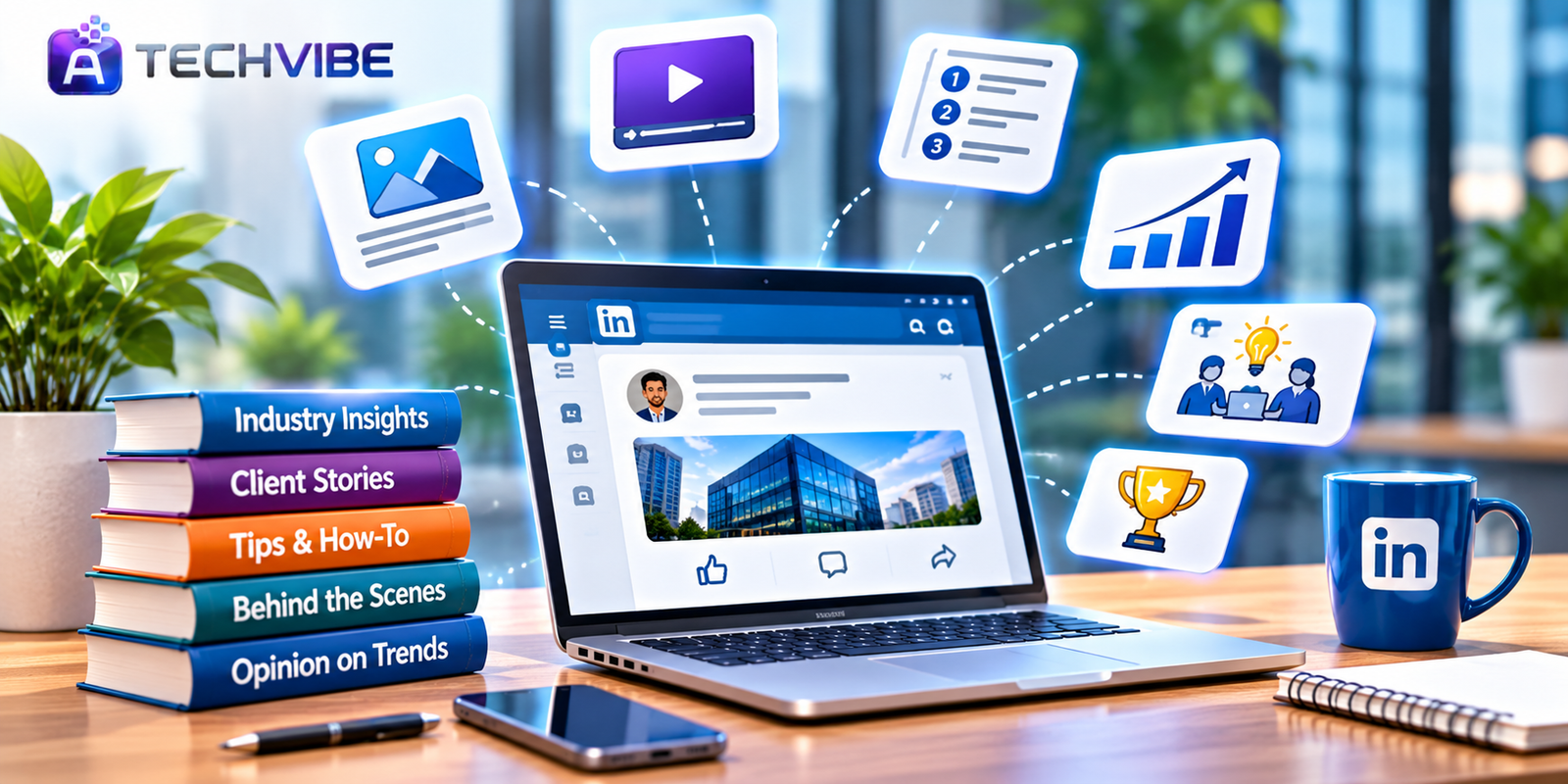
The most effective LinkedIn content shares practical knowledge and real experience. Lessons learned from client projects, common mistakes in your industry, behind-the-scenes stories, quick tips and honest opinions on industry trends all perform well because they offer value rather than advertising.
Mix different formats to keep your content fresh. Short text posts work well for opinions and stories. Image posts and document carousels are great for step-by-step tips. Short videos can show your personality and expertise. LinkedIn newsletters let you share longer articles with subscribers. Whatever you choose, focus on clarity and usefulness, the same principles we discuss in what makes engaging content the core of every successful brand.
Write Posts People Actually Read
On LinkedIn, the first two lines decide whether someone keeps reading. Start with a strong opening that makes a bold point, asks an interesting question or shares a surprising lesson. Then keep paragraphs short and easy to scan on a phone.
End your posts with a simple question or invitation to share opinions. This encourages comments, which helps your content reach more people. Avoid overusing hashtags or filling posts with sales language. Readers respond best to posts that sound like a real person sharing real experience.
Engagement Matters as Much as Posting
LinkedIn is a conversation platform, not just a broadcasting tool. Spending a few minutes each day commenting thoughtfully on posts from clients, prospects and industry leaders can grow your visibility as much as posting your own content.
When people comment on your posts, reply to them. These conversations show the algorithm that your content is valuable and help build genuine relationships. Many business opportunities on LinkedIn start with a simple comment exchange that later turns into a direct conversation.
Consistency Beats Perfection
You do not need to post every day to succeed. What matters most is a steady rhythm your audience can rely on. For many small businesses, posting two or three times a week is a sustainable starting point that still builds momentum.
Plan a few topics in advance and save ideas whenever a client question or industry event inspires you. Over time, consistent posting builds recognition. People begin to associate your name with a specific area of expertise, which is exactly the reputation you want when they need your services.
Turn Conversations Into Leads
Engagement is valuable, but the goal is to create business. When someone interacts with your posts regularly or views your profile, a friendly, non-pushy message can open a conversation. Ask about their challenges, share a useful resource or invite them to a short call if it seems relevant.
Keep track of promising contacts and follow up at the right time. Many businesses connect LinkedIn activity with a customer relationship management system so no opportunity is forgotten. Larger teams often use platforms like those described in Sales force solutions for customer-centric business growth to manage these relationships at scale.
When to Use LinkedIn Ads
Organic growth takes time. LinkedIn Ads can speed things up by placing your message in front of people based on job title, industry, company size, seniority and location. This precise targeting is one of LinkedIn's biggest strengths for business-to-business marketing.
LinkedIn advertising is usually more expensive per click than many other platforms, so it works best for higher-value services or products. Start with a small budget, test different messages and track results carefully. AI-driven targeting is changing how campaigns are optimised, a topic we explore in how AI is improving campaign targeting and conversion tracking.
Measure What Is Working
LinkedIn provides analytics for both personal posts and company pages. Look at impressions, engagement, profile views, follower growth and the types of posts that attract the most meaningful comments. These insights help you understand what your audience values.
Do not focus only on vanity numbers. A post with modest reach that leads to two serious enquiries is more valuable than a viral post that brings no business. Review your results monthly, double down on topics that create real conversations and adjust what is not working.
Fitting LinkedIn Into Your Wider Marketing
LinkedIn works best as part of a broader strategy. Your website, search visibility and other social channels all support each other. When someone discovers you on LinkedIn, they will often visit your website to learn more, so it should clearly explain your services. Our guide to SEO strategies for long-term business growth explains how to make that visit count.
If managing everything feels overwhelming, outside support can help. Our article on what makes a great social media marketing agency shows what to look for, and how a digital marketing agency supports online business growth explains the wider benefits.
Final Thoughts
LinkedIn marketing for small business is less about chasing likes and more about building trust with the right people. Strengthen your personal profile, create a clear company page, share genuinely useful insights, engage in conversations and stay consistent. Over time, LinkedIn can become one of your most reliable sources of partnerships, referrals and new clients.
For more practical guides on digital marketing and business growth, explore the latest articles on AtechVibe.